Weak financials and exposure to flooding putting thousands of UK SMEs at risk
Green SME news – by Thomas McMullan
2nd October 2014
Tens of thousands of small businesses in the UK are at potential risk of failure because they face a double-headed danger of weak financials and increased risk of flooding, new research shows.
Weak economic foundations for companies emerging from the financial crisis and increased risks of flooding are creating a perfect storm for a potential 118,354 small and medium-sized enterprises (SMEs), according to the big-data specialist AMEE, which provides environmental and business risk information on millions of UK companies.
Regional hotspots
“Take action”
Regional hotspots
The data reveals the highest concentration of SMEs facing both flood and financial risk are located in London, totalling 42,093 (35.6 per cent). Next in line is South East, where 15,592 (13.2 per cent) SMEs most at risk, followed by 10,888 (9.2 per cent) in North West England, and 9,833 (8.5 per cent) in the North and Humber.
“The overall take-away is that a significant population of businesses is at risk of flooding and more exposed given financial risk,” said Tyler Christie, chief executive officer at AMEE.
Cost of flooding to SMEs
Cost of flooding to SMEs
Last winter’s unprecedented wet weather cost small businesses in flood-stricken areas over £830 million, according to the Federation of Small Businesses (FSB). In Somerset, which this time last year was already underwater, the financial losses reached an average of £17,352 per business over a six week period.
Sourcing data from flood risk consultancy, Ambiental, AMEE highlighted 252,000 SMEs located in flood risk areas, covering seven per cent of the UK. Combining this with data detailing 815,055 small firms facing high financial risk, sourced from business risk provider CreditSafe, a picture emerges of small businesses with overlapping economic and environmental vulnerabilities.
Mapping the number of UK SMEs exposed to flood risk, London was found to contain the highest concentration with 75,011 (29.7 per cent of all vulnerable SMEs) situated in the capital, followed by 38,374 in South East and 25,584 in South West England. In terms of financial risk London was again found to have the highest concentration of SMEs at risk, with 217,615 (27.7 per cent) followed by 123,889 in South East and 90,409 in North West England.
Small businesses were severely affected last year by the wettest winter in England and Wales since 1766. In the months following the floods, the FSB surveyed 543,000 businesses and found not only £830 million in costs but serious worries about future insurance. The FSB poll found that over a third (37 per cent) of FSB members in flood-hit zones expected their insurance to be harder to renew and almost 60 per cent expected their insurance to become more expensive as a result of being left out of the Flood Re support scheme, a means of providing insurance subsidies to homes in high-risk flood areas.
Sourcing data from flood risk consultancy, Ambiental, AMEE highlighted 252,000 SMEs located in flood risk areas, covering seven per cent of the UK. Combining this with data detailing 815,055 small firms facing high financial risk, sourced from business risk provider CreditSafe, a picture emerges of small businesses with overlapping economic and environmental vulnerabilities.
Mapping the number of UK SMEs exposed to flood risk, London was found to contain the highest concentration with 75,011 (29.7 per cent of all vulnerable SMEs) situated in the capital, followed by 38,374 in South East and 25,584 in South West England. In terms of financial risk London was again found to have the highest concentration of SMEs at risk, with 217,615 (27.7 per cent) followed by 123,889 in South East and 90,409 in North West England.
Small businesses were severely affected last year by the wettest winter in England and Wales since 1766. In the months following the floods, the FSB surveyed 543,000 businesses and found not only £830 million in costs but serious worries about future insurance. The FSB poll found that over a third (37 per cent) of FSB members in flood-hit zones expected their insurance to be harder to renew and almost 60 per cent expected their insurance to become more expensive as a result of being left out of the Flood Re support scheme, a means of providing insurance subsidies to homes in high-risk flood areas.
“Take action”
Christie said following today’s data SMEs “should take action to assess their own risk and take steps to reduce exposure, assess suppliers in order to mitigate disruption risk in the future, and take this additional risk information into consideration when evaluating investments or lending decisions.”
In September, the Environmental Audit Committee (EAC) issued the government a “red card” for lacklustre efforts on flooding prevention, meaning that the committee noted deterioration in the area since 2010. The UK’s Coalition Government cut annual flood defence spending sharply after entering office in 2010.
This summer, work finished on the UK’s biggest coastal flood management scheme in Somerset. The £20 million project was centred on creating an expansive (250-hectare) salt marsh that will naturally absorb high tides and create a new habitat for wildlife.
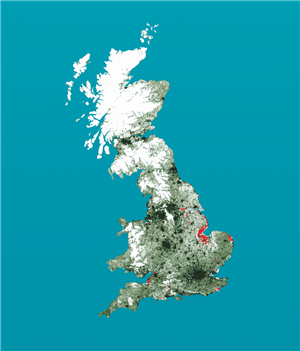
AMEE has produced an infographic to show how vulnerable the UK’s economic recovery is to flood risk. You can view it here.
Like this story? Please subscribe to our free weekly e-newsletter at the top of the page for more content like this.
Follow us on Twitter.
Related content: