Work gets underway on UK’s first ‘split-ownership’ solar scheme
Green energy news – by Clickgreen
18th September 2015
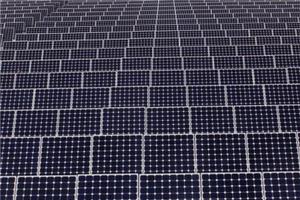
The UK’s first split ownership solar farm is now being built at Braydon Manor Farm near Swindon, Wiltshire.
The 9.1 megawatt (MW) solar project was developed by Public Power Solutions, a wholly-owned company of Swindon Borough Council and will now be operated as a split ownership project by Wiltshire Wildlife Community Energy (WWCE), whose shareholders own 5 MW, with the remaining 4.1 MW in private ownership.
The project complies with the government’s Community Energy Strategy, which encourages shared ownership partnerships between commercial and community groups on renewable energy projects.
In January, Wiltshire Wildlife Community Energy, an initiative of Wiltshire Wildlife Trust, raised over £2.9 million from a public share offer to fund its share of the project, with 87 per cent of the investment coming from Wiltshire or neighbouring counties.
James Owen, commercial director, Public Power Solutions, said: “This is a perfect example of a shared ownership solar project – with the private and public sector and local community all working together successfully to help meet local and national renewable energy targets and cut carbon emissions, as well as achieving great local financial and ecological benefits. We are proud to have been part of it.”
Public Power Solutions has now developed over 65 MW of ground-mounted solar in Swindon and nearby, and is rolling out its expertise and experience to help other public sector organisations who want to make the most of their renewable energy assets.
Owen added: “Solar should be a no-brainer for local authorities, helping them generate revenue through rent, business rates and investment opportunities, while saving taxpayers’ money on council energy bills. Our experience of working with WWCE at Braydon Manor Farm shows that working closely with community groups can further broaden the benefits by offering local people a stake in generating local energy.”
Construction began this month and the 5 MW community-owned site is expected to be connected to the grid by January 2016. It will generate enough electricity to supply the equivalent of 1,400 typical homes and save over 2,500 tonnes of carbon a year. Ecology and biodiversity are being prioritised at the site, with the Wildlife Trust establishing an ecological management plan with the creation of wildflower meadows around the panels to greatly boost biodiversity and support wildlife.
The scheme will generate a community fund of over £2 million to support the work of the Wiltshire Wildlife Trust and be reinvested in other community projects over the 25-year lifetime of the solar farm.
Jeff Kenna, director of WWCE, said: “We will now be able to generate more renewable energy for our money and create a bigger impact for the community.”
Lesley Bennett, chair of WWCE, added: “As a community benefit company we want our members to think of their investment as a contribution to both the local community and the local environment.”
The project complies with the government’s Community Energy Strategy, which encourages shared ownership partnerships between commercial and community groups on renewable energy projects.
In January, Wiltshire Wildlife Community Energy, an initiative of Wiltshire Wildlife Trust, raised over £2.9 million from a public share offer to fund its share of the project, with 87 per cent of the investment coming from Wiltshire or neighbouring counties.
James Owen, commercial director, Public Power Solutions, said: “This is a perfect example of a shared ownership solar project – with the private and public sector and local community all working together successfully to help meet local and national renewable energy targets and cut carbon emissions, as well as achieving great local financial and ecological benefits. We are proud to have been part of it.”
Public Power Solutions has now developed over 65 MW of ground-mounted solar in Swindon and nearby, and is rolling out its expertise and experience to help other public sector organisations who want to make the most of their renewable energy assets.
Owen added: “Solar should be a no-brainer for local authorities, helping them generate revenue through rent, business rates and investment opportunities, while saving taxpayers’ money on council energy bills. Our experience of working with WWCE at Braydon Manor Farm shows that working closely with community groups can further broaden the benefits by offering local people a stake in generating local energy.”
Construction began this month and the 5 MW community-owned site is expected to be connected to the grid by January 2016. It will generate enough electricity to supply the equivalent of 1,400 typical homes and save over 2,500 tonnes of carbon a year. Ecology and biodiversity are being prioritised at the site, with the Wildlife Trust establishing an ecological management plan with the creation of wildflower meadows around the panels to greatly boost biodiversity and support wildlife.
The scheme will generate a community fund of over £2 million to support the work of the Wiltshire Wildlife Trust and be reinvested in other community projects over the 25-year lifetime of the solar farm.
Jeff Kenna, director of WWCE, said: “We will now be able to generate more renewable energy for our money and create a bigger impact for the community.”
Lesley Bennett, chair of WWCE, added: “As a community benefit company we want our members to think of their investment as a contribution to both the local community and the local environment.”
Like this story? Please subscribe to our free weekly e-newsletter at the top of the page for more content like this.
Follow us on Twitter.
Related content: