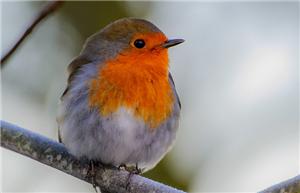
Today’s polling day…for Britain’s national bird
Karl Mathiesen, Guardian Sustainable Business
7th May 2015
The general election isn’t the only vote of national importance happening on Thursday. A poll to choose Britain’s national bird will close at midnight and 116,000 people have already cast their vote.
Astonishingly, the country has no unifying national avian symbol, a situation that ‘Urban Birder’ David Lindo has taken upon himself to resolve.
Ten final candidates have been whittled down from a list of 60. The result is expected to be announced in June.
Here we gather some of the best arguments made so far in a campaign defined by what it means to be British and who the state exists to represent.
What’s your choice? Post in the comments and join the Guardian’s national bird vote hustings – we’ll bring the best comments above the line.
And vote now. It’s the only election that will end in a result anyone will understand.
Hen harrier
The hen harrier, threatened by persecution from the landowning classes, has emerged as a symbol of the downtrodden and therefore the most ‘Guardian’ candidate (editorial endorsement pending).
“I’m entirely with the Hen Harrier,” said former RSPB conservation director Mark Avery.
BBC naturalist Chris Packham has made an impassioned Marxist argument for voters to set aside self-interest and vote for the species least fortunate and most in-need of help.
“You are being robbed of this natural treasure by one simple thing … illegal persecution and at the current rate, your children or grandchildren will not have this bird on their British list. Vote hen harrier.
“As much as we love our robins and wrens and blackbirds, these species will not directly benefit from winning. But if the hen harrier was our national bird it would be a relentless and significant embarrassment to allow this persecution to continue and there would need to be real action taken to stem its demise.”
Robin
Meanwhile, at the other end of the political spectrum the brash, territorial robin has emerged as a champion of English values but a hate figure for some. It is the short-priced favourite to take the win, as it did in a similar poll in 1960.
Stuart Winter, journalist and ‘Birdman’ for the Sunday Express, told the RSPB that the robin’s characteristics were “those we value most in not just other people but in our island race: small of stature but big of heart; friendly, loyal and endearing yet belligerent and uncompromising to all those who dare extinguish its vitality or threaten its domain.
“Robins are the avian embodiment of John Bull, Britannia and any other British hero you care to mention. Little wonder that most celebrated legendary figure of them all, the scourge of the Sheriff of Nottingham and the leader of Sherwood Forest’s Merry Men, was called Robin.”
But Lindo told the Times he hoped the robin would be knocked from its perch. He said its magnanimity did not extend to intruders. “It’s very territorial and quite violent, even the females,” he said. “They are known to kill not only other members of their species but other species who enter their territory.”
Lindo said the robin’s overt Britishness was a fragile façade and it was likely that many could be mating with Germans.
“In reality, some robins we see head south for the winter to hang out in warmer climes. Those you see in winter could be from Germany or Poland,” he said.
Puffin
The puffin, RSPB president Miranda Krestovnikoff said, is an uncomplicated candidate, without political baggage.
“What’s not to love about them? They are strikingly beautiful birds with a real personality. They are unmistakable even from a distance with their distinctive flattened, brightly coloured bill,” she said.
“They remind me of crazy wind-up toys that potter about erratically, looking surprised at all times. I just think they are the most charismatic birds!”
Blackbird
The black bird is expected to make a strong push, relying heavily on the “Beatles effect”.
Nature’s Home editor Mark Ward said a vote for the blackbird was a vote for joy.
“That’s why you should vote blackbird – for no other reason than it being the bird that makes you smile. And who doesn’t need more smiles in their life? Whether you live in town or city, you don’t have to look hard to share some precious time with a blackbird. Vote for your favourite neighbour. Vote blackbird – and smile.”
Red kite
Iolo Williams, BBC and S4C TV wildlife presenter, said the red kite’s journey back from extinction in England, Scotland and Ireland was the true embodiment of the battling Brit.
“No other British bird has come so close to the brink of extinction before defying all the odds to flourish in our modern landscape. It’s a survivor, a raptor that has withstood everything we humans could throw at it. No other bird is more deserving of your vote as Britain’s national bird than the red kite,” he said.
Kingfisher
Rob Yorke, hunter naturalist and rural commentator, lobbied: “let the kingfisher be our bird. Victorians used to pursue it for hat feathers – its legacy is as a founding reason for why the RSPB was created. Its presence today within Britain’s arterial watercourses, crisscrossing county boundaries, between town and country, makes this powerhouse of a bird a force to bring us closer together.”
Blue tit
The RSPB’s Laura Ward said the blue tit was the candidate she could most relate to.
“Unperturbed by their lack of stature, they’re more than happy to give you a scolding if you do something they don’t approve of. But that’s what I love about them. As someone who has been described as “small, but feisty” on more than one occasion, the blue tit and I are kindred spirits,” she said.
The tit also wins the side vote for most pun-friendly species on Twitter.
Wren
Conor Jameson, author of Silent Spring Revisited, told the RSPB that the wren’s performances in backyard debates and passionate independence had won him over.
“I like that wrens are feisty and independent, but sociable when it’s smart to be so. Dozens will cram into a winter hidey-hole to keep warm overnight,” he said.
“But what clinches it is the sheer joie de vivre, the lustiness of this tiny bird’s vocal performance. And the fact that it will pop up and give you this blast of spirit-lifting song any time of year, any place. A vote for the wren is a vote for the small, the commonplace, the little guy with the big heart – and the big lungs.”
Mute swan
No-one has yet spoken for the mute swan.
Barn owl
William Hill bookmakers have the barn owl as second favourite behind the robin to take the win. Wildlife photographer Craig Jones says the owl has his vote.
Ten final candidates have been whittled down from a list of 60. The result is expected to be announced in June.
Here we gather some of the best arguments made so far in a campaign defined by what it means to be British and who the state exists to represent.
What’s your choice? Post in the comments and join the Guardian’s national bird vote hustings – we’ll bring the best comments above the line.
And vote now. It’s the only election that will end in a result anyone will understand.
Hen harrier
The hen harrier, threatened by persecution from the landowning classes, has emerged as a symbol of the downtrodden and therefore the most ‘Guardian’ candidate (editorial endorsement pending).
“I’m entirely with the Hen Harrier,” said former RSPB conservation director Mark Avery.
BBC naturalist Chris Packham has made an impassioned Marxist argument for voters to set aside self-interest and vote for the species least fortunate and most in-need of help.
“You are being robbed of this natural treasure by one simple thing … illegal persecution and at the current rate, your children or grandchildren will not have this bird on their British list. Vote hen harrier.
“As much as we love our robins and wrens and blackbirds, these species will not directly benefit from winning. But if the hen harrier was our national bird it would be a relentless and significant embarrassment to allow this persecution to continue and there would need to be real action taken to stem its demise.”
Robin
Meanwhile, at the other end of the political spectrum the brash, territorial robin has emerged as a champion of English values but a hate figure for some. It is the short-priced favourite to take the win, as it did in a similar poll in 1960.
Stuart Winter, journalist and ‘Birdman’ for the Sunday Express, told the RSPB that the robin’s characteristics were “those we value most in not just other people but in our island race: small of stature but big of heart; friendly, loyal and endearing yet belligerent and uncompromising to all those who dare extinguish its vitality or threaten its domain.
“Robins are the avian embodiment of John Bull, Britannia and any other British hero you care to mention. Little wonder that most celebrated legendary figure of them all, the scourge of the Sheriff of Nottingham and the leader of Sherwood Forest’s Merry Men, was called Robin.”
But Lindo told the Times he hoped the robin would be knocked from its perch. He said its magnanimity did not extend to intruders. “It’s very territorial and quite violent, even the females,” he said. “They are known to kill not only other members of their species but other species who enter their territory.”
Lindo said the robin’s overt Britishness was a fragile façade and it was likely that many could be mating with Germans.
“In reality, some robins we see head south for the winter to hang out in warmer climes. Those you see in winter could be from Germany or Poland,” he said.
Puffin
The puffin, RSPB president Miranda Krestovnikoff said, is an uncomplicated candidate, without political baggage.
“What’s not to love about them? They are strikingly beautiful birds with a real personality. They are unmistakable even from a distance with their distinctive flattened, brightly coloured bill,” she said.
“They remind me of crazy wind-up toys that potter about erratically, looking surprised at all times. I just think they are the most charismatic birds!”
Blackbird
The black bird is expected to make a strong push, relying heavily on the “Beatles effect”.
Nature’s Home editor Mark Ward said a vote for the blackbird was a vote for joy.
“That’s why you should vote blackbird – for no other reason than it being the bird that makes you smile. And who doesn’t need more smiles in their life? Whether you live in town or city, you don’t have to look hard to share some precious time with a blackbird. Vote for your favourite neighbour. Vote blackbird – and smile.”
Red kite
Iolo Williams, BBC and S4C TV wildlife presenter, said the red kite’s journey back from extinction in England, Scotland and Ireland was the true embodiment of the battling Brit.
“No other British bird has come so close to the brink of extinction before defying all the odds to flourish in our modern landscape. It’s a survivor, a raptor that has withstood everything we humans could throw at it. No other bird is more deserving of your vote as Britain’s national bird than the red kite,” he said.
Kingfisher
Rob Yorke, hunter naturalist and rural commentator, lobbied: “let the kingfisher be our bird. Victorians used to pursue it for hat feathers – its legacy is as a founding reason for why the RSPB was created. Its presence today within Britain’s arterial watercourses, crisscrossing county boundaries, between town and country, makes this powerhouse of a bird a force to bring us closer together.”
Blue tit
The RSPB’s Laura Ward said the blue tit was the candidate she could most relate to.
“Unperturbed by their lack of stature, they’re more than happy to give you a scolding if you do something they don’t approve of. But that’s what I love about them. As someone who has been described as “small, but feisty” on more than one occasion, the blue tit and I are kindred spirits,” she said.
The tit also wins the side vote for most pun-friendly species on Twitter.
Wren
Conor Jameson, author of Silent Spring Revisited, told the RSPB that the wren’s performances in backyard debates and passionate independence had won him over.
“I like that wrens are feisty and independent, but sociable when it’s smart to be so. Dozens will cram into a winter hidey-hole to keep warm overnight,” he said.
“But what clinches it is the sheer joie de vivre, the lustiness of this tiny bird’s vocal performance. And the fact that it will pop up and give you this blast of spirit-lifting song any time of year, any place. A vote for the wren is a vote for the small, the commonplace, the little guy with the big heart – and the big lungs.”
Mute swan
No-one has yet spoken for the mute swan.
Barn owl
William Hill bookmakers have the barn owl as second favourite behind the robin to take the win. Wildlife photographer Craig Jones says the owl has his vote.
Like this story? Please subscribe to our free weekly e-newsletter at the top of the page for more content like this.
This story has been published under licence from Guardian Sustainable Business, of which GreenWise is an editorial partner.
Follow us on Twitter.
Related content: