Green business scheme helps fishing attraction become biodiversity hotspot
24th October 2012
A former piece of wasteland in Essex has been transformed into a fishing attraction, wildlife haven and model green business – with a little help from the University of East London and FLASH, a green business programme for London SMEs.
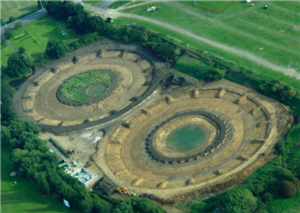
Fourteen years ago keen fisherman Gordon Bullock had a vision to turn a derelict piece of wasteland in Essex into one of the best coarse fishing and match fishing lakes in the UK. It took four years to acquire the land and a further six years to get planning consent for the development. But in 2010, Redbridge Lakes was opened to the public and this unique fishing experience inside the M25 is now welcoming increasing numbers of fishermen, has a growing membership, and is even attracting visitors that are looking to soak up its natural environment and enjoy its wealth of wildlife – foxes, pheasants and kingfishers are all frequently spotted here.
But this, of course, is only half the story. Aside from the 10 years of trying to secure the site, there’s been a further two years spent digging the lakes out at Woodford Green and building the facilities, and much time and effort put into preserving and enhancing the environment.
And Redbridge Lakes can certainly already boast a number of green measures. A ground source heat pump supplies the heating in the clubhouse, while the hot water is supplied via solar thermal panels.
The University of East London (UEL) is a delivery partner on FLASH, which is being led by the Institute for Sustainability. The university sent environmental consultant Trina Stevens to assess Redbridge Lakes’ requirements and it was decided that the company needed to develop an environmental policy and action plan as well as a biodiversity plan.
“That was brilliant because it gave me a better understanding of what the requirements were,” says Bullock about the assessment. “They put the plan together for me to work to achieve their recommendations.”
One of the pointers was to reduce the amount of waste being sent to landfill and, following a waste audit, measures were put in place to recycle through the local council and build a composting bin on site.
“[UEL] highlighted something that I hadn’t realised: how much of our waste was recyclable. We looked at the commercial viability of splitting up the rubbish and worked out different contractors to pay for the recyclable waste, and Redbridge Council agreed to pay for the special compounds and signs for the card and bottle waste. This did act as a cost saving,” says Bullock.
And the further good news is that a second waste audit revealed that all this hard work has saved Redbridge Lakes 2.7 tonnes of waste per annum.
The team at UEL, meanwhile, built bird hides, bat boxes and even a ‘bug city’ to improve the biodiversity at the lakes. One of the lakes has a wet area planted with reeds to encourage breeding of birds and a large area of the site has been left mainly untouched in order to attract wildlife.
“The team at UEL taught us about the different reeds and plants to encourage birds and what to cut and what not to cut. There was a huge amount of input teaching me personally what could be done. I was delighted, but in all honesty they enjoyed doing the work too. They saw it as a bit of a challenge,” recounts Bullock.
The icing on the cake for Redbridge Lakes is that these biodiversity enhancements are helping to attract more customers to the site. Bullock estimates the changes have already brought in an additional £1,700 of new sales weekly and safeguarded two part-time jobs in the café.
“We are getting groups of young and elderly people using the site for walks and looking at wildlife. They come and have a cup of tea in the café. It’s a new revenue stream for us. Moreover, everyone who comes and knows someone who goes fishing – they will go back and spread the word,” says Bullock.
It is early days still for Redbridge Lakes, but the signs are good that this former piece of wasteland on the eastern fringes of London will become a beacon of green growth in years to come.
But this, of course, is only half the story. Aside from the 10 years of trying to secure the site, there’s been a further two years spent digging the lakes out at Woodford Green and building the facilities, and much time and effort put into preserving and enhancing the environment.
And Redbridge Lakes can certainly already boast a number of green measures. A ground source heat pump supplies the heating in the clubhouse, while the hot water is supplied via solar thermal panels.
But with little personal specialist knowledge of environmental management, ecology and conservation, Bullock knew he was going to have to get outside help in to make Redbridge Lakes a true wildlife haven and a model green business. Fortunately he was able to turn to FLASH, a free initiative part-funded by the European Regional Development Fund (ERDF) to provide small and medium-sized enterprises (SMEs) in London with the information to seize the opportunities afforded by the emerging green economy. It also aims to help SMEs improve the environmental efficiency of their business operations.
The University of East London (UEL) is a delivery partner on FLASH, which is being led by the Institute for Sustainability. The university sent environmental consultant Trina Stevens to assess Redbridge Lakes’ requirements and it was decided that the company needed to develop an environmental policy and action plan as well as a biodiversity plan.
“That was brilliant because it gave me a better understanding of what the requirements were,” says Bullock about the assessment. “They put the plan together for me to work to achieve their recommendations.”
One of the pointers was to reduce the amount of waste being sent to landfill and, following a waste audit, measures were put in place to recycle through the local council and build a composting bin on site.
“[UEL] highlighted something that I hadn’t realised: how much of our waste was recyclable. We looked at the commercial viability of splitting up the rubbish and worked out different contractors to pay for the recyclable waste, and Redbridge Council agreed to pay for the special compounds and signs for the card and bottle waste. This did act as a cost saving,” says Bullock.
And the further good news is that a second waste audit revealed that all this hard work has saved Redbridge Lakes 2.7 tonnes of waste per annum.
The team at UEL, meanwhile, built bird hides, bat boxes and even a ‘bug city’ to improve the biodiversity at the lakes. One of the lakes has a wet area planted with reeds to encourage breeding of birds and a large area of the site has been left mainly untouched in order to attract wildlife.
“The team at UEL taught us about the different reeds and plants to encourage birds and what to cut and what not to cut. There was a huge amount of input teaching me personally what could be done. I was delighted, but in all honesty they enjoyed doing the work too. They saw it as a bit of a challenge,” recounts Bullock.
The icing on the cake for Redbridge Lakes is that these biodiversity enhancements are helping to attract more customers to the site. Bullock estimates the changes have already brought in an additional £1,700 of new sales weekly and safeguarded two part-time jobs in the café.
“We are getting groups of young and elderly people using the site for walks and looking at wildlife. They come and have a cup of tea in the café. It’s a new revenue stream for us. Moreover, everyone who comes and knows someone who goes fishing – they will go back and spread the word,” says Bullock.
It is early days still for Redbridge Lakes, but the signs are good that this former piece of wasteland on the eastern fringes of London will become a beacon of green growth in years to come.
To find out more about the FLASH programme contact [email protected]. Further information can be found on UEL’s website: www.uel.ac.uk/sri/projects/flash.